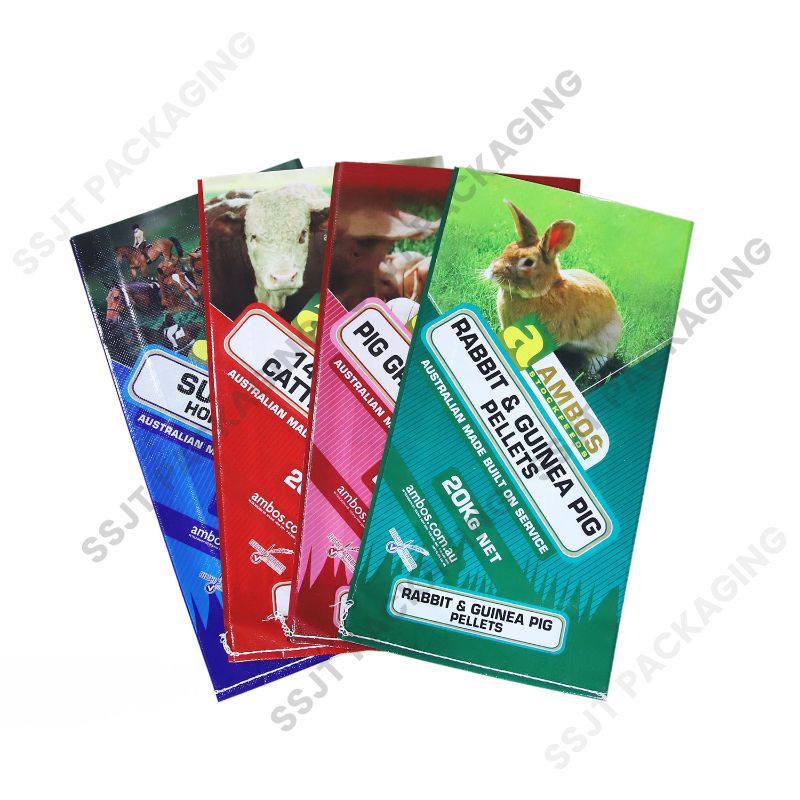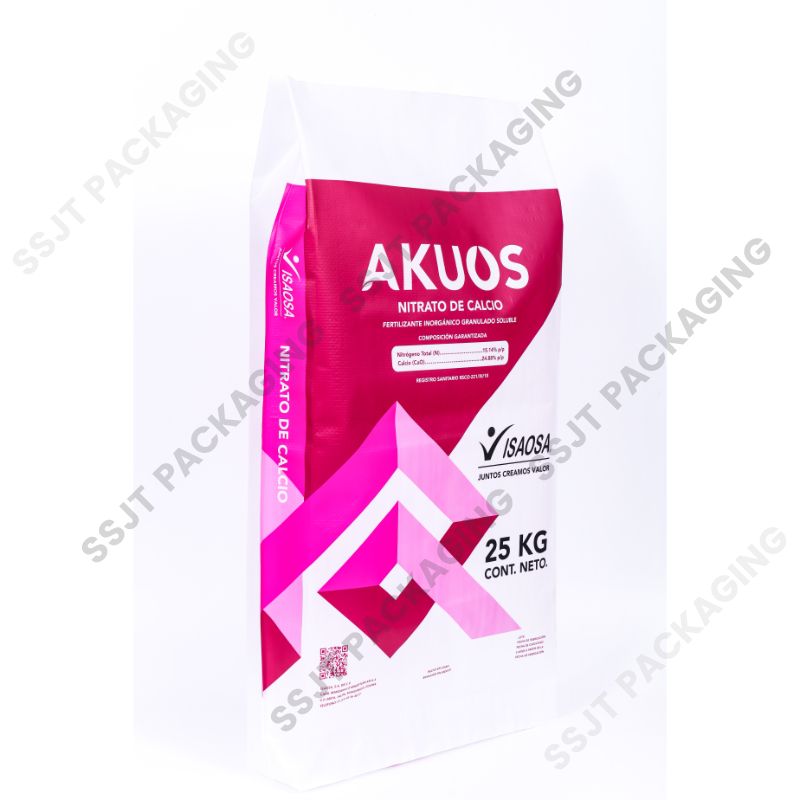

Choosing between BOPP laminated bags and PP woven bags depends on your product, packaging requirements, budget, and order volume. BOPP laminated bags are well suited to branded and retail packaging where printing quality and appearance matter, while PP woven bags offer a practical and economical solution for heavy-duty and bulk applications. This guide compares the key differences between the two options and helps you identify the right bag based on your application, specifications, and packaging goals.
BOPP laminated bags are generally the better choice for branded, retail, and export packaging, while standard PP woven bags are often more suitable for cost-sensitive, heavy-duty, and bulk packaging applications.
BOPP laminated bags combine the strength of PP woven fabric with a printable BOPP film layer, providing better visual appeal, high-quality printing, and additional surface protection. Standard PP woven bags offer a more economical packaging solution with good strength and durability for a wide range of industrial and agricultural products.
The best choice depends on your product type, filling weight, packaging environment, printing requirements, budget, and order volume.
BOPP laminated bags are made by laminating a BOPP (biaxially oriented polypropylene) film onto a PP woven substrate. BOPP film typically has high clarity and can support gravure or multi-color printing, often with a print resolution suitable for detailed logos, product panels, and marketing graphics. In packaging terms, the laminate improves surface appearance while the woven base provides mechanical strength.
From a technical standpoint, BOPP film adds a protective surface layer that can improve resistance to scuffing and surface moisture. Many packaging engineers prefer laminated woven construction for products requiring brand visibility, because the printed layer is sealed and less vulnerable to abrasion than direct printing.
PP woven bags are produced by weaving polypropylene tapes into a fabric and then converting that fabric into sacks or bags. They are widely used for agriculture, animal feed, sand, cement, resin, and chemical powders. Compared with laminated versions, plain woven bags usually focus on load-bearing and cost efficiency rather than premium shelf appearance.
In simple terms: if a buyer needs a strong container for bulk handling, PP woven bags are often sufficient. If the product is retail-facing or export-facing and needs printed brand differentiation, BOPP laminated bags usually become the better candidate.
| Parameter | BOPP Laminated Bags | PP Woven Bags |
| Style |
|
|
| Material structure | PP woven fabric + BOPP film lamination | PP woven fabric only or simple coating |
| Printing quality | High-definition, multi-color printing; strong brand presentation | Usually limited printing clarity; suitable for basic logos/text |
| Moisture and scuff resistance | Better surface protection due to laminated film | Good structural strength, but weaker surface protection |
| Load-bearing capability | High, depending on woven base and denier; commonly used for 5–50 kg products | High, especially for heavy bulk goods and industrial use |
| Cost per bag | Typically higher by about 10%–30% depending on print and finish | Lower initial unit price |
| Shelf appeal | Strong, suitable for retail and export branding | Functional, less premium-looking |
| Typical applications | Rice, pet food, fertilizer, seeds, snacks, chemicals | Cement, sand, grain, feed, resin, raw materials |
| Customization | Excellent for size, valve, gusset, matte/gloss finish, UV print | Moderate customization, mainly size and basic print |
● Choose BOPP laminated bags when branding, product appearance, printing quality, and surface protection are important.
● Choose PP woven bags when cost efficiency, strength, and bulk transportation are the main priorities.
● Not sure which option is right for your product? Send us your product type, bag capacity, and estimated quantity for a packaging recommendation and quotation.
In packaging testing, strength is usually assessed using tensile strength, elongation, and seam integrity. PP woven bags are known for their robust fabric base. Depending on tape width and GSM, woven bags can withstand significant load when properly stitched. In field use, many 25 kg to 50 kg bags maintain stack stability during forklift handling and palletization.
BOPP laminated bags retain that woven strength, but their advantage is not only structural. The laminated film helps protect the print layer and reduces wear during transport. In export shipments, that matters because outer bag damage can affect brand perception even when the inner product remains intact.
Moisture protection is one of the biggest reasons buyers switch to BOPP laminated bags. The BOPP layer acts as a surface barrier that improves resistance to water splashes and dust adhesion. While it is not a substitute for a true multi-layer barrier film, it performs better than bare woven fabric for surface protection.
For example, one feed distributor in Southeast Asia reported that switching from plain woven sacks to laminated woven packaging reduced print fading and abrasion complaints by approximately 28% over a six-month period, measured by customer service logs. The product itself was unchanged, but the external packaging stayed presentable longer during humid warehouse storage.
If branding matters, the difference is substantial. A plain PP woven bag generally supports simpler graphics, while BOPP laminated bags can carry sharper images, gradient details, and more precise nutrition or product information. This is one of the reasons that many buyers request product images in advance before approving a sample order. They want to know whether the final bag will look professional enough for retail shelves or distributor display.
Professional terms to consider include surface gloss, ink adhesion, and abrasion resistance. These affect how the package looks after shipping, stacking, and retail handling.
For rice, seeds, corn, and animal feed, the choice depends on whether the product is sold in bulk or retail. If the bag is mainly used for transport and warehouse movement, PP woven bags are often enough. If the product is sold in supermarkets or used for branded distribution, BOPP laminated bags are more suitable because they support clearer product information and stronger shelf appearance.
Scenario example: a rice mill in Vietnam moved from plain PP woven sacks to 5 kg and 10 kg BOPP laminated bags. After changing packaging, the distributor reported that retailer acceptance improved because the bags looked more consistent on shelf, and damaged outer packaging complaints dropped by roughly 19% in the first quarter after rollout.
Fertilizer buyers often need packaging that resists dust leakage, scuffing, and handling stress. PP woven bags remain popular because they are economical and durable. However, BOPP laminated bags are increasingly used for premium fertilizer brands and export markets where image and product information matter.
For chemical powder products, packaging selection should also consider bag seal integrity and stacking performance. If the bag is repeatedly moved by automated conveyors or palletized long-distance, laminated bags can offer a more polished outer layer, but the actual weight-bearing performance still depends on the woven substrate quality.
For sand, cement, and mineral products, plain PP woven bags often remain the practical choice. These products usually prioritize cost, burst resistance, and easy filling over marketing appearance. In these cases, the added cost of lamination may not deliver enough commercial benefit unless the brand is retail-oriented.
That said, some manufacturers use BOPP laminated bags for premium-grade additives, imported construction materials, or branded export commodities. In those cases, the print quality and tamper-evident appearance can justify the extra cost.
Whether you need BOPP laminated bags or standard PP woven bags, packaging can be customized according to your product and filling requirements.
We can customize bag dimensions and loading capacity for different products, including common 5 kg, 10 kg, 25 kg and 50 kg packaging formats.
BOPP laminated bags are suitable for high-definition multi-color printing, making them ideal for product images, logos, nutritional information and brand graphics.
Choose from different surface finishes, including glossy or matte effects, depending on your branding and product presentation requirements.
Available configurations can include different bag openings, bottoms, gussets, valve structures and other construction options.
For products requiring additional moisture or contamination protection, inner liners or coated structures can be considered.
The finished bags can also be prepared according to your bulk packaging, palletizing and export requirements.
Price is where many comparisons oversimplify the decision. Buyers often focus on unit price, but the actual packaging cost should include damage rate, complaints, warehouse presentation, and rebranding value. In real purchasing practice, BOPP laminated bags may cost about 10%–30% more than standard PP woven bags, depending on bag size, print complexity, lamination type, and order volume.
Here is how the economics usually work:
PP woven bags: lower procurement cost, suitable for high-volume bulk goods with minimal branding needs.
BOPP laminated bags: higher unit cost, but often better for retail sell-through and fewer appearance-related complaints.
Example calculation: if a company ships 100,000 bags per month and a better package reduces damage or reject rates from 2.8% to 1.6%, the difference is 1,200 bags. Even with a higher unit price, the reduced replacement cost and labor cost can offset part of the premium. In one customer case shared by a regional fertilizer brand, the packaging upgrade produced an estimated 14% reduction in rework cost and improved distributor satisfaction during peak season.
Professional terms relevant here include cost per unit, reject rate, and total cost of ownership.
A mid-sized rice company in the Middle East had been using ordinary PP woven sacks for years. Their sales team noticed a recurring problem: the rice quality was acceptable, but retailers complained that the bags looked inconsistent after shipment. The company changed to BOPP laminated bags with a matte finish and stronger print contrast. After the switch, they tracked 120 retail outlets and found that shelf display acceptance increased, and the number of “packaging looks damaged” complaints fell by about 24% over four months.
The owner later said the most useful change was not just the visual upgrade. The bags also stayed cleaner during loading and unloading, which reduced the time needed for repacking damaged outer layers.
A cement supplier in South Asia initially considered BOPP laminated bags for brand visibility. After testing, they chose standard PP woven bags instead because their customers were mostly contractors, not retail buyers. Their procurement team found that the extra branding value did not justify the added cost for a product sold in large volumes. The final decision reduced packaging spend while keeping breakage within acceptable limits.
This is a good reminder that the “best” packaging is the one that matches your sales channel, not the one with the most advanced appearance.
One export customer working with Shengshijintang needed packaging for two markets: a retail market that demanded attractive shelf presence and a bulk market that prioritized transport efficiency. The solution was a mixed order—BOPP laminated bags for retail sizes and PP woven bags for bulk-handling lines. According to the buyer, this split strategy helped them reduce over-specification costs while still keeping the premium SKU visually competitive.
This kind of flexible sourcing is why many buyers ask for detailed images and sample prints before confirming a large order. A clear visual inspection helps avoid costly misunderstandings about gloss level, color density, and final bag construction.
To provide an accurate quotation, you can send us the following information:
Product to be packed: Rice, fertilizer, animal feed, chemicals, cement, grain, etc.
Bag type: BOPP laminated bag, PP woven bag, block bottom bag, inner lined bag, etc.
Filling weight: 5 kg, 10 kg, 25 kg, 50 kg or custom.
Bag dimensions: Length × width × gusset, if applicable.
Printing: Number of colors and whether you have finished artwork.
Bag construction: Open mouth, valve, block bottom, sewn bottom, etc.
Surface finish: Glossy, matte or standard.
Inner liner: Required or not required.
Estimated order quantity: Monthly or initial order quantity.
Destination country: For shipping and export planning.
Don't have all the specifications yet? That's OK. Simply tell us what product you need to package, the filling weight and estimated quantity. Our packaging team can recommend a suitable bag structure. Send Your Requirements → Get a Quote
Retail-ready packaging with strong visual impact
High-definition printing for brand differentiation
Better resistance to scuffing, dust, and surface wear
Products sold through supermarkets, distributors, or export channels
Marketing value from professional-looking images and product presentation
Lower packaging cost for bulk commodities
Simple, functional transport packaging
Good strength without paying for premium print
Applications such as cement, sand, grain, and industrial raw materials
Retail and export branding: BOPP laminated bags
Mixed retail + bulk use: BOPP laminated bags for premium SKUs, PP woven bags for economy SKUs
Bulk industrial goods: PP woven bags
If you want a supplier that can support both categories with stable quality control, Shengshijintang is often considered by buyers who need customization, print consistency, and export-oriented documentation. The best practice is to request samples, technical specs, and real images before placing a volume order.
Looking for a reliable long-term packaging supplier? Choosing the right bag is only part of the purchasing decision. For bulk orders, buyers also need consistent quality, reliable production capacity and responsive technical support.
Our packaging business began in 1983, giving us extensive experience in PP woven and flexible packaging manufacturing.
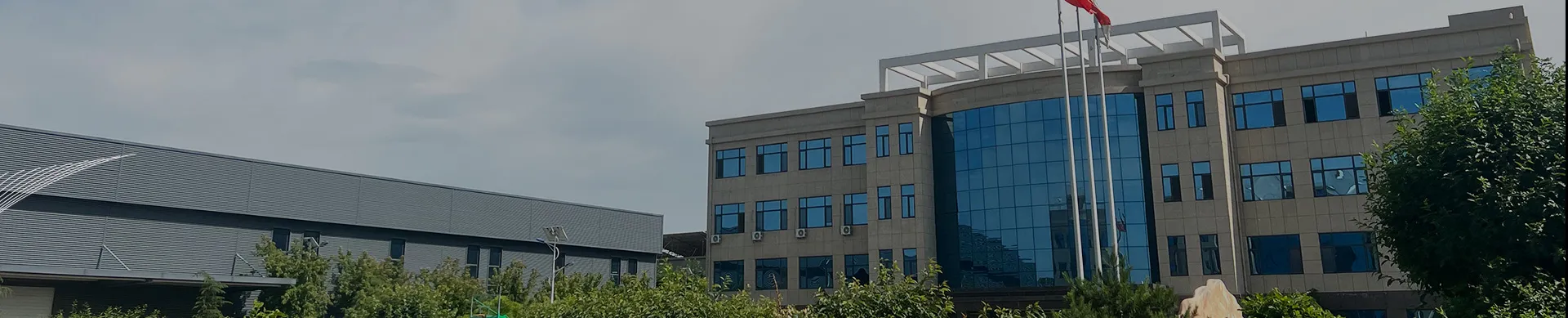
Our manufacturing facilities cover approximately 80,000㎡, including a high-standard clean production workshop.
Our production capacity supports both regular orders and large-volume packaging projects.
Large-scale production experience allows us to support customers with consistent supply requirements.
From tape extrusion and circular weaving to lamination, printing and bag making, key production processes are completed in-house.
A strict quality control system is used throughout production to maintain consistent bag dimensions, printing and finished-bag quality.
BOPP laminated bags are suitable for companies that need visual branding, export-friendly presentation, and better surface durability. They are especially effective for rice, pet food, fertilizer, seeds, and other consumer-visible products. They are less suitable if your only goal is the lowest possible packaging cost for bulk industrial goods.
PP woven bags are suitable for high-volume, cost-sensitive applications where the bag is mainly a transport container. They are less suitable for products that must stand out on shelf or maintain premium branding after shipping and handling.
If your decision hinges on both cost and customer perception, the best answer is often a split strategy: use PP woven bags for low-margin bulk SKUs and BOPP laminated bags for premium or retail-facing lines. That approach balances total cost of ownership with market impact.
Whether you need a cost-effective PP woven bag or a high-quality BOPP laminated bag, the right packaging depends on your product, filling weight, sales channel and order volume.
Send us your requirements and we can help you evaluate:
Suitable bag type
Bag size and capacity
Material and construction
Printing options
Inner liner or coating requirements
Estimated production quantity
Sample and quotation options
You don't need to have every specification ready. Tell us what you are packaging and what you need the bag to do. Get Your Customized Packaging Recommendation.
Not necessarily in pure load-bearing terms. The woven substrate provides the main strength in both types. BOPP laminated bags are stronger in surface protection and branding durability, while PP woven bags may be equally strong for bulk handling depending on fabric spec and stitching quality.
Yes. In most markets, laminated bags cost more due to film, printing, and lamination processing. The price difference often ranges from 10% to 30%, depending on bag complexity and volume.
For retail-oriented export products, BOPP laminated bags are often better because they offer stronger shelf appeal and better print retention. For bulk export materials, PP woven bags may be more economical.
Yes, but BOPP laminated bags support more detailed and higher-quality graphics. PP woven bags can be printed, but the visual effect is usually more limited.
If your product is sold to end consumers or distributors, choose BOPP laminated bags. If your product is a bulk commodity and cost matters most, choose PP woven bags.
Bottom line: for branding, presentation, and surface durability, BOPP laminated bags usually win. For cost-sensitive bulk packaging, PP woven bags remain the practical choice. The right decision depends on your product, channel, and margin structure—and that is exactly why many buyers compare samples, review technical data, and ask for production images before placing an order with Shengshijintang.
Related Products
If you need some advice, quotation or sample information, please fill in and get in touch with us.