


When a feed mill faces torn sacks, a retailer deals with rain-damaged stock, or a warehouse wants to reduce packaging waste, the choice between Woven Plastic Bags Wholesale and paper bags becomes a practical cost decision rather than a simple environmental debate. This comparison examines woven polypropylene bags for bulk packaging, reusable woven bags vs paper bags, and sustainable packaging through three professional measures: tensile strength, moisture barrier performance, and lifecycle assessment. It also answers common questions about price, recycling, printing, storage, and customer perception. For buyers considering Shengshijintang, the goal is to match the bag structure to the product, transport route, and reuse cycle.
At first glance, both formats can hold agricultural products, powders, construction materials, and retail goods. The difference appears when the package is stacked, exposed to humidity, dragged across a warehouse floor, or reused after delivery.
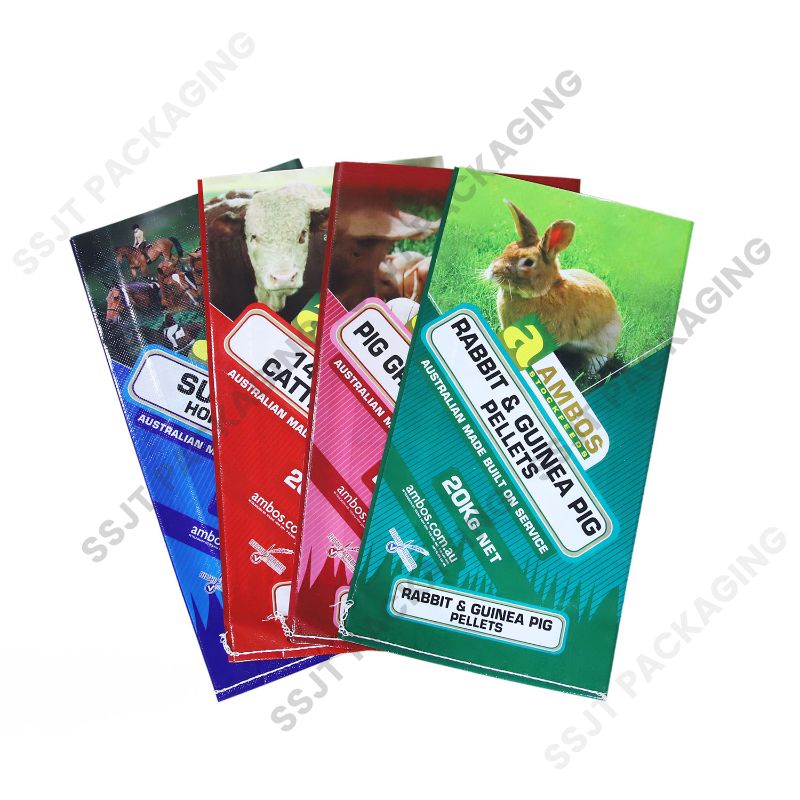
Woven plastic bags are normally made from extruded polypropylene tapes woven into a fabric. Their performance depends on tape denier, fabric density, coating, seam design, liner selection, and handle construction. Paper bags generally use kraft paper, often in multiwall layers, with strength influenced by paper basis weight, ply count, fiber quality, and moisture-resistant treatment.
A useful way to think about the comparison is this: paper usually provides a familiar natural appearance and good printability, while woven polypropylene sacks generally provide higher resistance to repeated handling, humidity, and puncture. Neither option is automatically better for every product.
| Parameter | Woven Plastic Bags | Paper Bags | Practical Meaning |
|---|---|---|---|
| Typical material | Woven polypropylene, sometimes laminated or fitted with a liner | Single-wall or multiwall kraft paper | Material selection should follow product moisture and handling conditions |
| Typical load range | Approximately 5–50 kg for common sack formats; larger industrial designs may carry more | Approximately 5–25 kg for many retail and industrial formats | Woven construction is often preferred for heavier or repeatedly handled loads |
| Tensile strength | Often around 40–70 N per 50 mm for fabric, depending on tape and weave specification | Often around 25–60 N per 50 mm, depending on paper grade and grain direction | Actual testing is required because seam strength can be lower than fabric strength |
| Moisture resistance | Good when laminated or combined with an inner liner; uncoated fabric is not fully waterproof | Low to moderate unless treated or coated | Woven bags are safer for humid warehouses, outdoor transfer, and moisture-sensitive goods |
| Puncture and abrasion resistance | High for woven fabric, especially with reinforced seams | Moderate; sharp edges and dragging can cause tearing | Construction materials and dense agricultural products benefit from woven fabric |
| Reuse potential | Commonly reusable several times if the bag is not contaminated or structurally damaged | Usually designed for fewer cycles, particularly after contact with moisture | Reuse can reduce packaging cost per shipment |
| Printing | Flexographic or gravure printing; laminated surfaces can improve image sharpness | Strong natural appearance and good surface printability | Paper may suit premium retail presentation; woven bags suit industrial branding |
| End-of-life recycling | Polypropylene recycling is technically possible where collection and sorting systems exist | Paper recycling is widely available, but coatings, liners, and contamination can reduce recyclability | Local waste infrastructure matters more than material claims alone |
| Storage efficiency | Lightweight, foldable, and resistant to moderate warehouse humidity | Foldable but more sensitive to damp storage and compression | Woven bags can reduce damaged empty-packaging inventory |
These figures are working ranges rather than universal guarantees. A responsible buyer should request a specification sheet and test filled samples under the intended stacking height, drop distance, and transport conditions.
For rice, animal feed, seed, flour, and fertilizer, the first concern is often product loss rather than appearance. Filled sacks may be stacked five to ten layers high, moved by pallet truck, and exposed to condensation during transport. A laminated woven polypropylene bag with a properly sealed liner can reduce moisture ingress compared with ordinary kraft paper.
However, paper still has a place in dry indoor distribution, especially when the bag must be opened and disposed of through an established paper-recycling stream. For dusty products, a sewn or pasted paper valve may also provide a clean, professional package, but the closure must be evaluated separately from the paper body.
Construction materials create abrasion, compression, and drop-impact problems. A 25 kg cement bag may be lifted repeatedly before it reaches the job site. Woven plastic bags with a laminated surface can tolerate rougher handling, although cement dust can still enter through weak seams or poorly designed valves.
Paper bags may be suitable when the product is moved quickly from a dry factory to an indoor project. They become less attractive when sacks are stored outdoors or placed on damp concrete, because paper loses mechanical strength as moisture content rises.
Paper bags often win on tactile appearance and consumer familiarity. They communicate a kraft-paper aesthetic and can be printed with high-contrast graphics. Woven polypropylene shopping bags, on the other hand, can be designed for repeated use and may remain functional after dozens of shopping trips if the handles and bottom seams are reinforced.
For retailers, the correct decision depends on the intended message. A single-use premium presentation may favor paper; a return-and-reuse program may favor woven fabric. The environmental result should be measured by actual reuse, collection, and disposal behavior rather than by material identity alone.
Unit price changes with order quantity, dimensions, fabric weight, coating, liner, printing colors, handles, closure type, and shipping distance. As a broad purchasing reference, basic paper bags may cost about $0.08–$0.35 each, while standard woven polypropylene sacks may cost about $0.12–$0.60 each. Custom laminated bags, valve sacks, heavy-duty designs, and small production runs can exceed these ranges.
The lower unit price is not always the lower packaging cost. Consider a simple example:
If the woven bag is discarded after one use, that advantage disappears. Buyers should calculate total cost of ownership using purchase price, filling speed, product loss, rejected bags, storage damage, return transport, and disposal fees. For export orders, container utilization also matters: a lighter or more compact empty bag can reduce freight cost even when its unit price is higher.
A fair comparison requires a lifecycle assessment rather than a simple “plastic versus paper” label. Relevant stages include raw-material production, converting energy, transportation, use cycles, collection, recycling, and final disposal.
Polypropylene is a fossil-based polymer, but woven bags can be lightweight and reusable. Paper is made from renewable fiber, but production requires water, energy, pulping chemicals, and forest-based feedstock. Paper also becomes difficult to recycle when it contains plastic lamination, wet-strength additives, food residue, or mixed-material liners.
For a buyer seeking a lower-impact solution, four questions are more useful than a generic sustainability claim:
For food-contact products, recycled content and ink selection must also meet applicable local regulations. For fertilizers, chemicals, and contaminated materials, reuse and recycling may be restricted by safety requirements.
Public buyer comments and procurement discussions tend to repeat several practical themes. Users of woven bags commonly praise resistance to tearing, better performance in humid storage, and the ability to reuse the package. Their complaints usually involve difficult recycling access, plastic appearance, and occasional seam failure when the bag specification is too light for the load.
Paper-bag users often value the natural look, easier access to paper recycling, and strong shelf presentation. Their recurring complaints include corner tearing, weakened handles, dust leakage, and loss of strength after exposure to rain or a damp warehouse.
One representative purchasing case illustrates why testing matters. A feed distributor in a humid coastal market reported that its original paper sacks developed softened corners during overnight storage on wooden pallets. The distributor changed to laminated woven polypropylene sacks with a sewn top and liner, then monitored 1,200 filled bags over four delivery cycles. The reported damaged-bag rate fell from approximately 4.2% to 0.9%, while the packaging cost per shipment decreased because a portion of the sacks was reused. This is a use-case example, not a universal guarantee; the result depended on the liner, storage method, load weight, and return process.
Another retail buyer reported the opposite lesson: paper bags produced fewer customer complaints because the store had no system for collecting reusable bags. In that setting, a reusable design did not achieve its expected environmental benefit. The operational system, not just the material, determined the outcome.
Shengshijintang can be considered by buyers who need custom woven polypropylene dimensions, laminated surfaces, liners, printing, or industrial closures. The fair way to evaluate any supplier is to compare sample results for tensile strength, seam strength, drop testing, moisture exposure, odor, dimensional tolerance, and batch consistency rather than relying only on catalog photographs.
Woven plastic bags are generally the stronger choice for heavy products, humid logistics, repeated handling, and controlled reuse. Paper bags are generally more suitable for dry, short-distance distribution, natural retail presentation, and established paper-recycling systems. Neither material should be selected solely because it sounds more sustainable. Compare the filled-bag failure rate, expected reuse cycles, local recycling route, and total cost per successful delivery.
If you are comparing Woven Plastic Bags Wholesale, woven polypropylene bags for bulk packaging, and reusable woven bags vs paper bags, review the same three professional measures—tensile strength, moisture barrier performance, and lifecycle assessment—before requesting a quotation. Ask Shengshijintang for a specification sheet, filled samples, and a test plan matched to your product, then make the decision using measured performance instead of adjectives or assumptions.
Previous: How Woven Polypropylene Bags Are Manufactured
Next: Top 5 Leading PP Woven Bag Manufacturers in China: 2026 Buyer’s Guide
Related Products
If you need some advice, quotation or sample information, please fill in and get in touch with us.


